By Anita
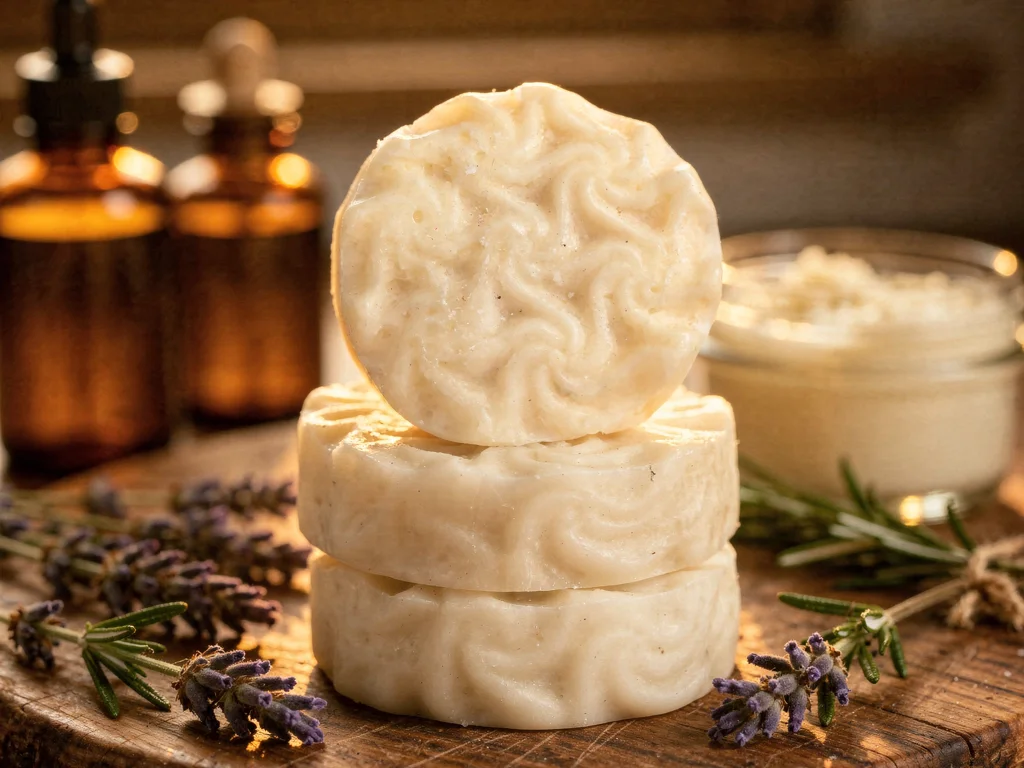
Essential Oils in Soap and Skincare: What They Do and Why We Use Them
Walk into any health shop and the essential oils shelf can feel overwhelming. Dozens of small bottles with botanical names, each claiming to do something miraculous. The marketing around essential oils has become so inflated that it is easy to dismiss them entirely -- or to assume they are just there to make things smell nice.
Neither is true. Essential oils are concentrated plant extracts with well-documented properties. Some are anti-inflammatory. Some are antimicrobial. Some stimulate blood flow. The key is knowing which ones do what, using them at the right concentration, and not pretending they cure everything.
At Moondance, every essential oil in our products is there because it does something specific for your skin or hair. Here is what we use and why.
How Essential Oils Work in Cold Process Soap
Before getting into individual oils, it helps to understand why the soap-making method matters.
In cold process soap making, we add essential oils at trace -- the point where the oils and lye solution have begun to react but the mixture is still fluid. The soap then cures at room temperature for four to six weeks.
This matters because heat degrades essential oils. Commercial soap manufacturing and hot process methods expose ingredients to high temperatures that break down the volatile compounds responsible for both the scent and the therapeutic properties. Cold process keeps temperatures low enough that the oils retain their beneficial qualities through the finished bar.
It also matters how much we use. Essential oils are potent. Too little and you get nothing. Too much and you risk skin irritation. Every Moondance recipe is formulated with specific essential oil percentages based on safe usage rates for skin contact.
Lavender
Lavender is the most widely studied essential oil in skincare, and for good reason. It is anti-inflammatory, mildly antiseptic, and promotes wound healing. Research has shown it can reduce redness and help repair damaged skin barrier function.
We use lavender essential oil in our Healing Skin Bar, where it works alongside calendula in an olive oil base. This combination was designed specifically for eczema-prone and reactive skin. Lavender calms the inflammation while calendula promotes cell regeneration. The cold process method preserves the linalool and linalyl acetate -- the two compounds responsible for lavender's anti-inflammatory action -- that heat would diminish.
If you deal with irritated, red, or easily aggravated skin, lavender is the essential oil you want in your soap.
Tea Tree
Tea tree oil is one of the most effective natural antimicrobials available. It has been used in Australian traditional medicine for centuries and has strong evidence for fighting bacteria, fungi, and even some viruses on the skin. For acne, it works by killing the bacteria that cause breakouts without the drying effect of benzoyl peroxide.
We use tea tree essential oil in two products: our Bentonite Clay Soap and our Charcoal Shampoo Bar. In the clay soap, tea tree pairs with bentonite and activated charcoal for deep pore cleansing -- the charcoal draws out impurities while the tea tree kills bacteria on contact. In the shampoo bar, tea tree addresses dandruff and itchy scalp at the root cause. Most commercial anti-dandruff shampoos mask symptoms with zinc pyrithione. Tea tree actually targets the fungus responsible.
If your skin is oily, acne-prone, or you struggle with scalp issues, tea tree is your oil.
Rosemary
Rosemary essential oil is best known for its effect on hair. A 2015 study published in SKINmed Journal compared rosemary oil to minoxidil (the active ingredient in Regaine) over six months. The results were comparable -- rosemary promoted the same amount of hair growth with fewer side effects like scalp itching.
The mechanism is circulation. Rosemary stimulates blood flow to the scalp, which delivers more nutrients to hair follicles and promotes growth. It also has mild antimicrobial properties that keep the scalp healthy.
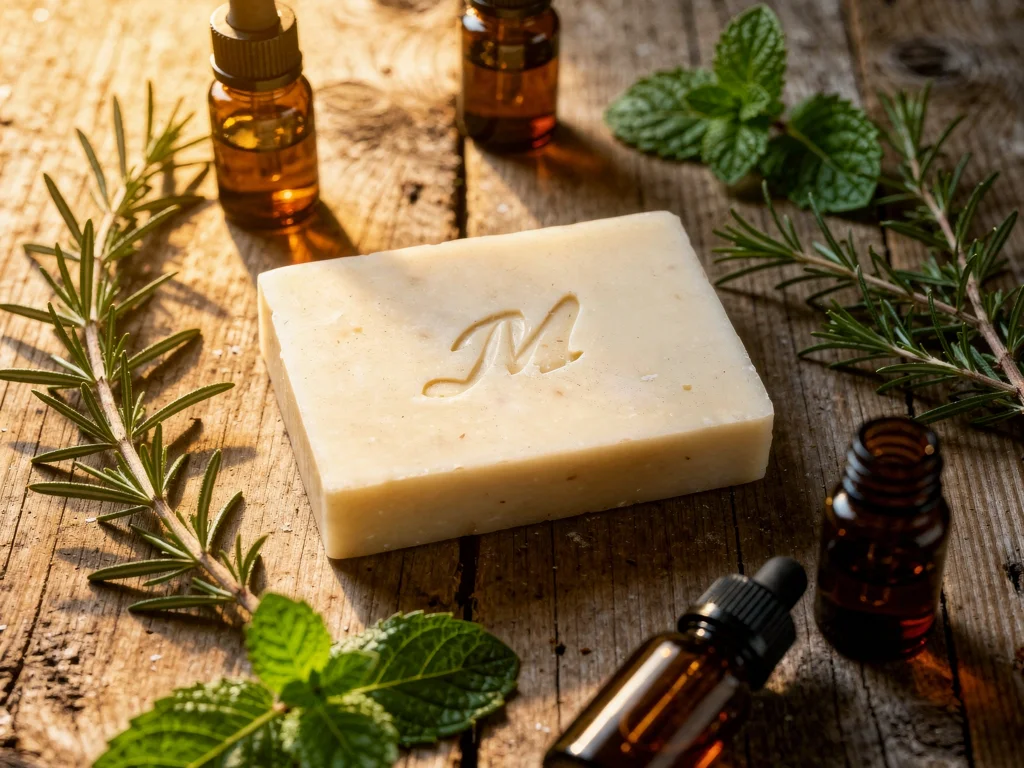
We use rosemary essential oil in our Rosemary & Mint Shampoo Bar, paired with peppermint for a double circulation boost. This bar is our most popular among surfers and runners in the Blouberg area -- the invigorating scent is a bonus after a session at Big Bay, but the real value is what it does for hair thickness over time.
Peppermint
Peppermint essential oil contains menthol, which creates that distinctive cooling sensation on skin. But it is more than a feeling -- menthol is a vasodilator, meaning it widens blood vessels and increases blood flow to the area where it is applied. On the scalp, this means more oxygen and nutrients reaching your hair follicles.
Peppermint also has mild analgesic (pain-relieving) properties, which is why it feels soothing on tired muscles or a tense scalp. Combined with rosemary in our Rosemary & Mint Shampoo Bar, the two oils create a stimulating wash that wakes up both your scalp and your senses.
Lemon
Lemon essential oil is a natural brightener. It contains limonene, a compound with antibacterial and antioxidant properties. On skin, it helps even out tone, cuts through excess oil, and leaves a clean, energised feeling.
We use lemon essential oil in our Lemon Zest Soap, where it pairs with actual lemon zest for gentle physical exfoliation alongside the oil's chemical benefits. The result is a soap that feels like a morning wake-up call -- bright, clean, and clarifying. It is particularly good for oily or combination skin where dullness is a concern.
Sweet Orange
Sweet orange essential oil is gentler than lemon but shares many of the same citrus benefits. It is mildly antiseptic, uplifting, and suitable for every skin type including sensitive. The scent is universally appealing without being overpowering, which makes it an excellent choice for products the whole family uses.
We use sweet orange in our Turmeric Soap (where it complements turmeric's brightening effects with its own skin-evening properties) and our Orange Shampoo Bar (our most versatile shampoo, suitable for all hair types). If you are not sure where to start with essential oil products, anything with sweet orange is a safe and effective first step.
Rose Geranium
Rose geranium is an underrated essential oil. It balances sebum production, meaning it helps both oily and dry skin find equilibrium. It is also mildly astringent, which tightens and tones skin without the harshness of alcohol-based toners. Traditionally, it has been used to support hormonal skin -- the kind of breakouts and changes that come with menstrual cycles or menopause.
We use rose geranium essential oil in our Rose Clay Soap, where it works with French rose clay to draw out impurities while toning and balancing the skin. The combination produces a bar that is gentle enough for sensitive skin but effective enough for those dealing with hormonal fluctuations.
Cedarwood and Frankincense
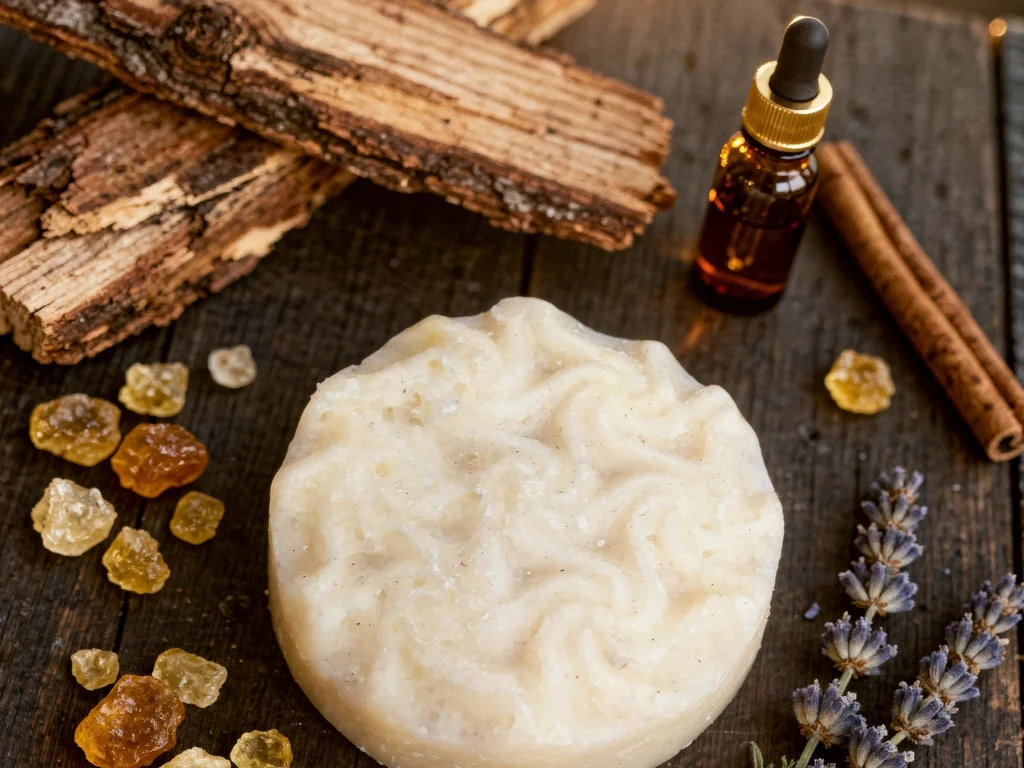
These two oils appear together in our Rugged Body Butter, and the pairing is deliberate. Cedarwood is anti-inflammatory and has been shown to promote skin healing and reduce the appearance of blemishes. Frankincense is one of the oldest skincare ingredients in human history -- it promotes cell regeneration, helps reduce the appearance of scars and fine lines, and has a grounding, woody scent.
Together in a 50% shea butter base with argan oil, they create a body butter that repairs and protects while delivering a warm, earthy scent that works as a subtle natural fragrance.
Essential Oils vs Synthetic Fragrance
This is the critical distinction most people miss. When a commercial soap or skincare product lists "fragrance" or "parfum" in its ingredients, that single word can represent dozens of undisclosed synthetic chemicals. Manufacturers are not required to disclose what makes up their fragrance blends, and many contain known allergens, hormone disruptors, and sensitisers.
Essential oils are the opposite. They are single-origin plant extracts with known compositions. When we say our Healing Skin Bar contains lavender essential oil, you know exactly what that means -- distilled lavender flowers, nothing else.
This does not mean essential oils are universally safe at any concentration. They are potent and must be used correctly. But they are transparent. You know what you are putting on your skin, which is more than most commercial products can say.
Finding the Right Oil for Your Skin
Not sure which essential oil suits your needs? Here is a quick guide:
If you are still not sure, message us on WhatsApp. We will ask about your skin type and recommend the right product -- no guesswork required.
All Moondance products are handmade in Blouberg, Cape Town, using only pure essential oils -- never synthetic fragrance. Every bar is palm-oil-free and cured for a minimum of four weeks.
More Articles
How Cold Process Soap Is Made and Why It Matters
Cold process soap takes weeks to make and uses no heat to force the reaction. Here is how we make every bar at Moondance, what happens during saponification, and why the slow method produces a better product.
Why Shampoo Bars Are Better for Your Hair and the Planet
Plastic bottles, sulfates, and wasted water -- liquid shampoo has baggage. Shampoo bars are a simpler, gentler way to wash your hair. Here is what makes them different and how to make the switch.