By Anita
Bentonite vs Rose Clay Soap: Which Clay Suits Your Skin?
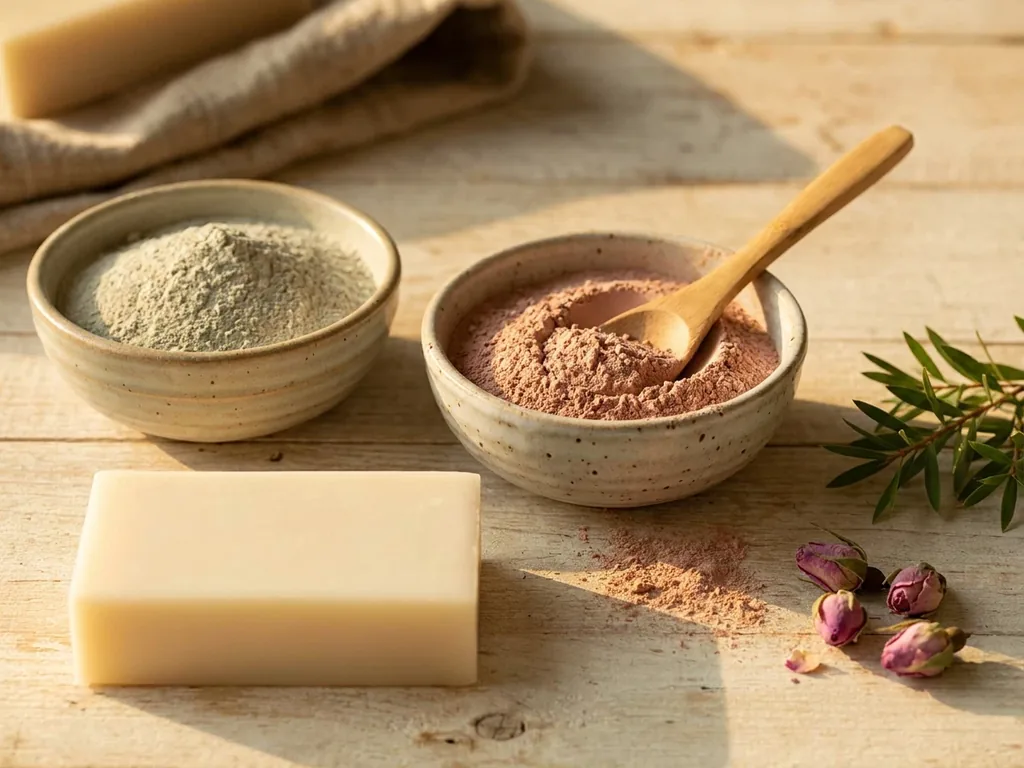
We make two clay soaps, and the question we get about them most is simple: which one should I buy? They look alike on the shelf. Both are R60, both are 120g, and both use clay as the star ingredient. On your skin they behave quite differently.
The short answer: bentonite is the strong one, for oily skin, breakouts, and hot sweaty days. Rose clay is the gentle one, for normal, sensitive, and mature skin. The rest of this post explains why, and how to get the most out of whichever bar you choose.
Why Put Clay in Soap at All?
Clay does three useful things in a bar of soap.
- It absorbs oil. Cosmetic clays are very fine minerals with a large surface area. They soak up oil and sebum, which is why clay has been used on oily skin for as long as people have washed.
- It adds slip. Clay makes the lather feel silkier, which is why clay bars are popular for shaving as well as washing.
- It gives colour. Clay is one of the few ways to colour a bar without synthetic dyes.
Clay is not magic, and you should be wary of anyone who says it is. You will read that clay "draws out toxins". What it reliably does is absorb oil and help lift away the grime that sticks to it. In a soap it is on your skin for less than a minute before you rinse it off, so think of it as a gentler, more thorough wash rather than a treatment.
Bentonite Clay: The Strong One
Bentonite forms from weathered volcanic ash. Its party trick is that it swells when it gets wet and can hold several times its own weight in water, and it absorbs oil the same way. It is the most absorbent of the common cosmetic clays by a wide margin.
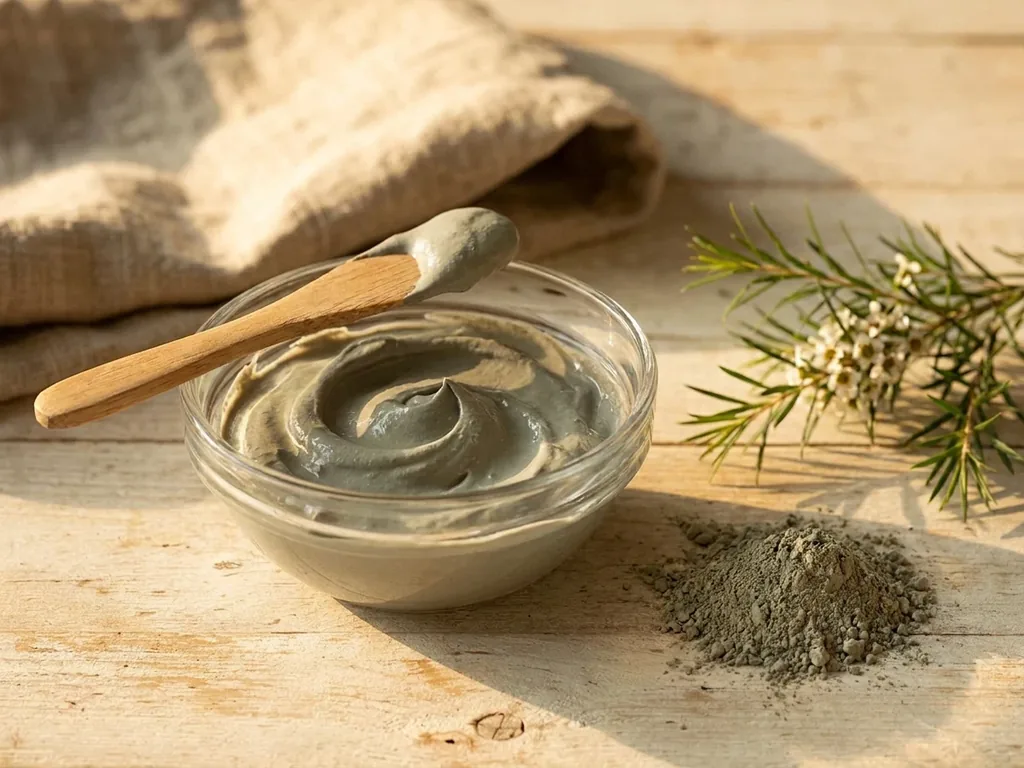
That makes it the right clay for skin that makes too much oil, and the wrong clay for skin that does not make enough.
Our Bentonite Clay Soap (R60, 120g) pairs it with tea tree essential oil in an olive and coconut oil base. Tea tree is the classic essential oil for blemish-prone skin, and its clean, medicinal scent tells you exactly what this bar is for.
Choose bentonite if you have:
- Oily or combination skin, especially a shiny T-zone by midday
- Skin prone to blackheads and breakouts
- Breakouts on your back or chest, which a body bar reaches more easily than a face wash
- A habit of sweating through sunscreen at the beach, the gym, or on the walk back from Big Bay
Skip it, or use it sparingly, if you have dry, sensitive, or eczema-prone skin. Bentonite will take oil your skin needs, and tea tree is one of the essential oils most likely to irritate reactive skin. Our guide to soap for eczema covers what to reach for instead.
Rose Clay: The Gentle One
Rose clay is a kaolin clay. Kaolin is the mildest of the cosmetic clays: it absorbs far less oil than bentonite and does not swell, so it cleans without leaving skin feeling tight. The rose colour comes from iron oxides in the clay.
Our Rose Clay Soap (R60, 120g) uses it in an olive oil, coconut oil, and shea butter base, scented with rose geranium essential oil. The shea butter is there to make the lather creamier and to leave a little softness behind.
One thing to know before you order: the bar is a soft, pale peach rather than bright pink. A gentle clay is used gently, and a small amount of rose clay across a whole batch gives a subtle colour. If you have seen very pink clay soaps elsewhere, that shade usually comes from a much heavier dose of clay or from added colourant.
Choose rose clay if you have:
- Normal skin that you want to keep that way
- Sensitive skin that finds most soaps too harsh
- Mature or dry skin that still wants a thorough, fresh-feeling wash
- A partner or teenager with oily skin in the house, and you want a bar for yourself that will not dry you out
Rose geranium is less likely than tea tree to sting reactive skin, but it is still a scent. If fragrance of any kind is a known trigger for you, patch test first.
The Quick Comparison
- Absorbs oil: bentonite strongly, rose clay gently
- Best skin types: bentonite for oily, combination, and acne-prone; rose clay for normal, sensitive, and mature
- Base oils: bentonite in olive and coconut oil; rose clay in olive oil, coconut oil, and shea butter
- Scent: bentonite smells of fresh tea tree; rose clay smells of soft rose geranium
- Face or body: both work on both, with the cautions below
- Best season in Cape Town: bentonite in summer, when heat, sweat, and sunscreen pile up; rose clay all year round
How to Get the Most From a Clay Bar
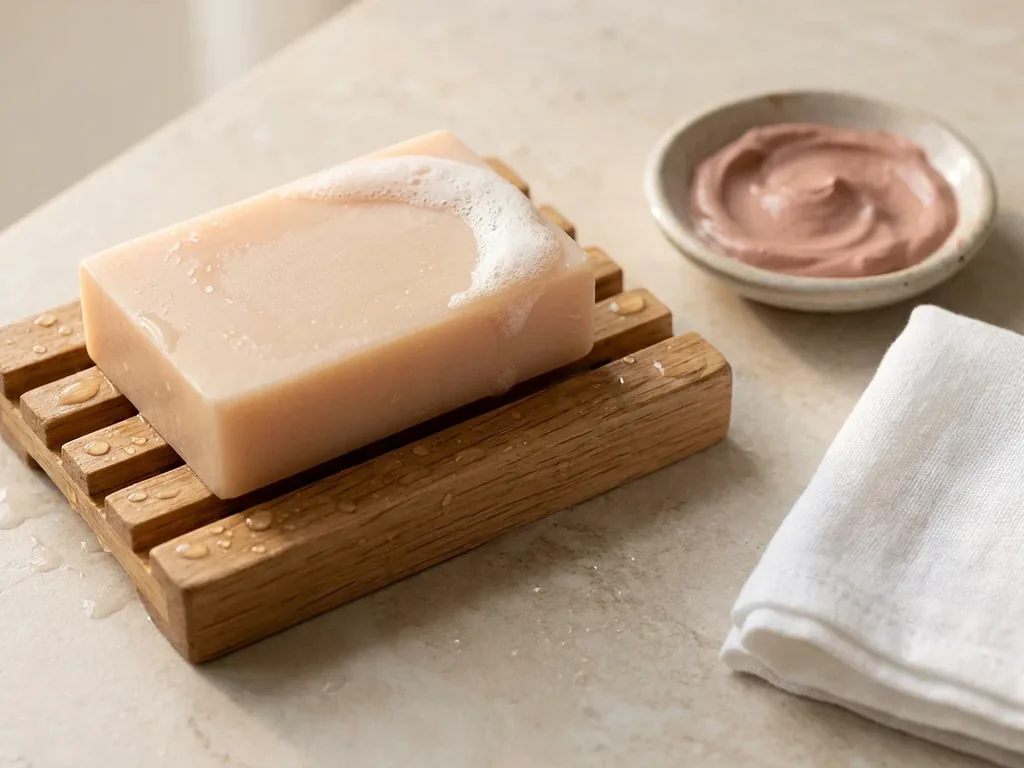
- Lather in your hands, not on your face. Rub the bar between wet palms and wash with the lather. Dragging a bar across your face is harder on the skin, clay or no clay.
- Leave the lather on for about thirty seconds. Clay needs a little contact time to do anything. Count to thirty, then rinse well with lukewarm water.
- Watch how your skin feels afterwards. Clean and comfortable is right. Tight, itchy, or flaky means the bar is too strong for you, or you are using it too often.
- Start bentonite on your face once a day. Evening is best, to take off sunscreen and the day's oil. If your skin is happy after a week or two, try it morning and evening.
- Moisturise after washing. Even oily skin needs it. Oily skin that is stripped dry usually feels worse, not better, and often looks shinier by midday. A light moisturiser on the face and one of our body butters on dry areas like elbows and shins keep the balance.
- Let the bar dry out between washes. A slatted soap dish that drains is the single best thing you can do for any handmade bar. Clay bars sitting in a puddle go soft and wear away twice as fast.
If you want more clay than a soap can give you, that is what a clay mask is for. A mask stays on for ten minutes instead of thirty seconds. Use the soap for daily washing and keep masks for once a week.
What About Clay for Your Hair?
The same logic applies above the neck. If your scalp gets oily by the second day, our Charcoal Shampoo Bar uses activated charcoal, which absorbs oil in a similar way to bentonite, together with tea tree. Our post on shampoo bars explains how to make the switch from liquid shampoo.
A Note on Breakouts
A good bar can help keep oily skin clean and comfortable. It will not clear acne that is persistent, painful, or leaving marks. That is worth a visit to your GP or a dermatologist, and if they give you a routine, follow it. If they are happy for you to use a gentle bar alongside it, rose clay is usually the safer choice while you are on treatment, because many acne treatments dry the skin out on their own.
Trying One (or Both)
Both clay bars are cold-processed in small batches in our Blouberg Sands studio and cured for a minimum of six weeks. We offer click and collect from the studio, free local delivery on orders over R300 across Blouberg, Table View, Milnerton, and Melkbos, and courier delivery anywhere in South Africa. Two clay bars plus a body butter takes you past the free-delivery line.
Still not sure which one is yours? Message Anita on WhatsApp and tell her what your skin does by 3pm on a hot day. She will point you to the right bar.
Want to know more about how our bars are made? Read how cold process soap is made and why it matters.
More Articles
What Is Boerseep? South Africa's Forgotten Farm Soap
Boerseep is the tallow farm soap South Africans made for generations, and telling the real thing from a bar that borrows the name comes down to two checks. Here is what it is and why tallow suits skin.
Why Body Butter Beats Lotion (And How to Use It Properly)
Your lotion is mostly water. Body butter is 100% active ingredients -- no fillers, no preservatives, no compromise. Here is why we make body butter instead of lotion, and how to get the most out of every jar.
Essential Oils in Soap and Skincare: What They Do and Why We Use Them
Essential oils are not fragrance. They are functional ingredients with real, measurable effects on skin and hair. Here is what each oil in the Moondance range actually does and why we chose it.